New UPSC Foundation, Optional and TGPSC/APPSC batches are open — book your counselling slot.Today's Current AffairsToday's Daily QuizCall 98804 87071

Pragnya Daily · 6:00 am IST

UPSC Daily Current Affairs Analysis

Every morning our editors scan The Hindu, Indian Express, Times of India, PIB, Down To Earth, RBI, ministries, the World Bank, IMF and UN agencies, and turn the 10 most exam-relevant stories into syllabus-mapped analysis with infographics, Prelims MCQs and Mains model answers.

10 stories dailyGS paper mappingInfographicsPrelims MCQsMains model answers

Today's edition

Friday, 6 November 2026

8 analysed stories

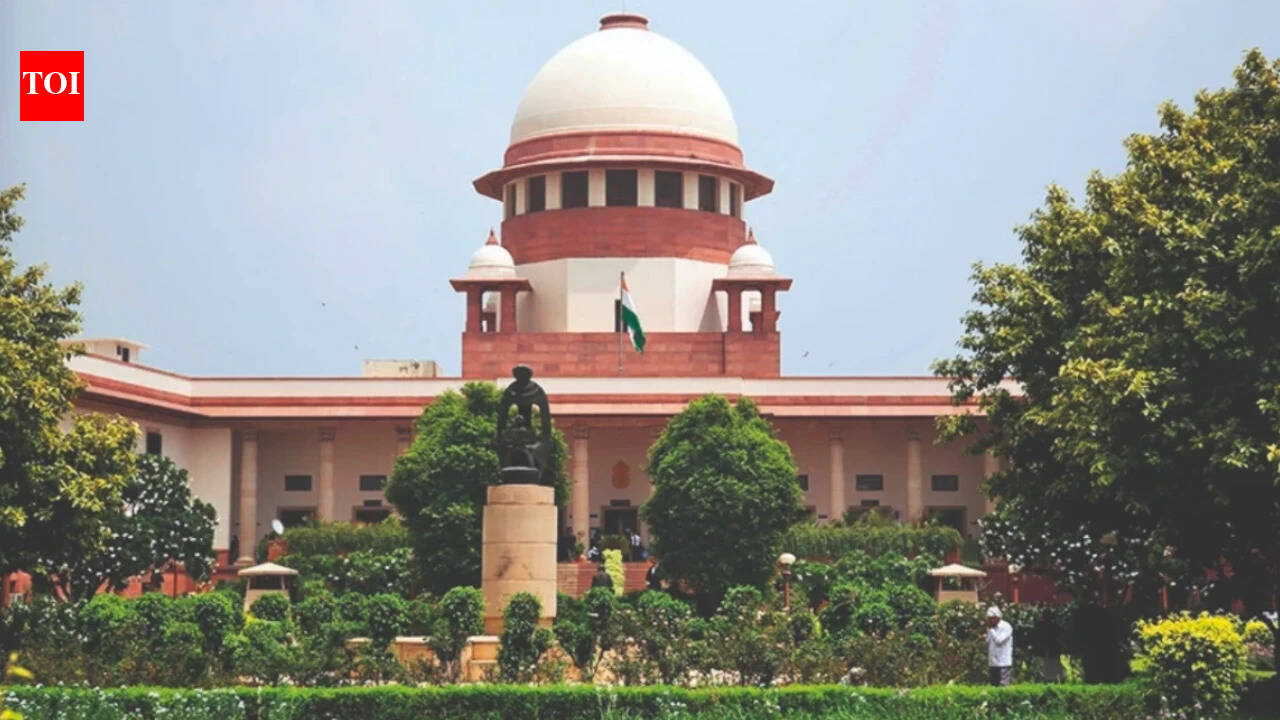
The Supreme Court's reported clarification: the 24-hour deadline for production before a magistrate starts with actual detention, not a later recorded arrest. Article 22(2) excludes necessary journey time.#2
Polity & GovernanceGS 2

SC on 24-Hour Production Rule: Actual Detention, Not Recorded Arrest, Starts the Clock

According to the supplied report headline, the Supreme Court has held that the 24-hour deadline for production before a magistrate begins with actual detention, rather than a later recorded arrest. The principle protects personal liberty by preventing police from postponing judicial scrutiny through delayed arrest documentation. Article 22(2) excludes necessary journey time from this deadline.

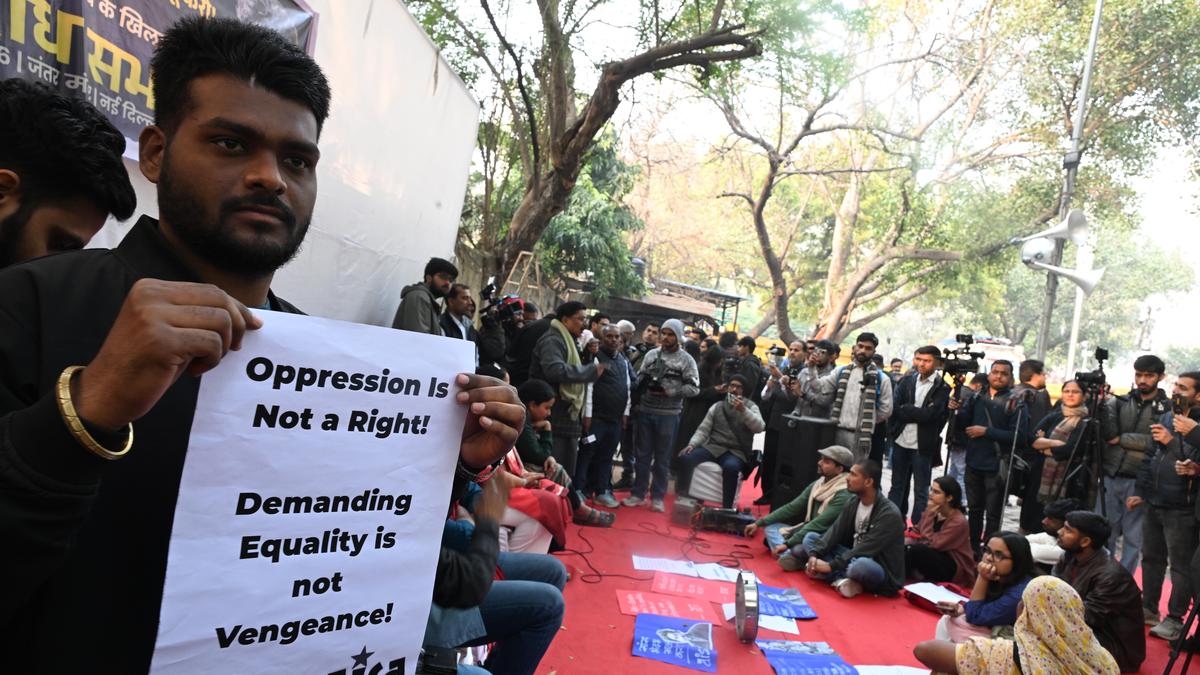
Reference illustration of UPI digital payments, which enable real-time money transfers. The dispute concerns how merchant-payment charges should fund the system while preserving affordability.#3
EconomyGS 3

UPI Merchant Charges: NPCI’s Supreme Court Defence and the Zero-MDR Trade-off

NPCI has defended before the Supreme Court a reported framework imposing merchant discount rate charges of up to 0.4% on UPI person-to-merchant transactions above ₹2,000, arguing that universal zero MDR is financially unsustainable. According to its submission, person-to-person transfers and merchant payments up to ₹2,000 remain free. The dispute concerns how to finance payment infrastructure and cybersecurity without undermining affordability, merchant acceptance and legal safeguards.

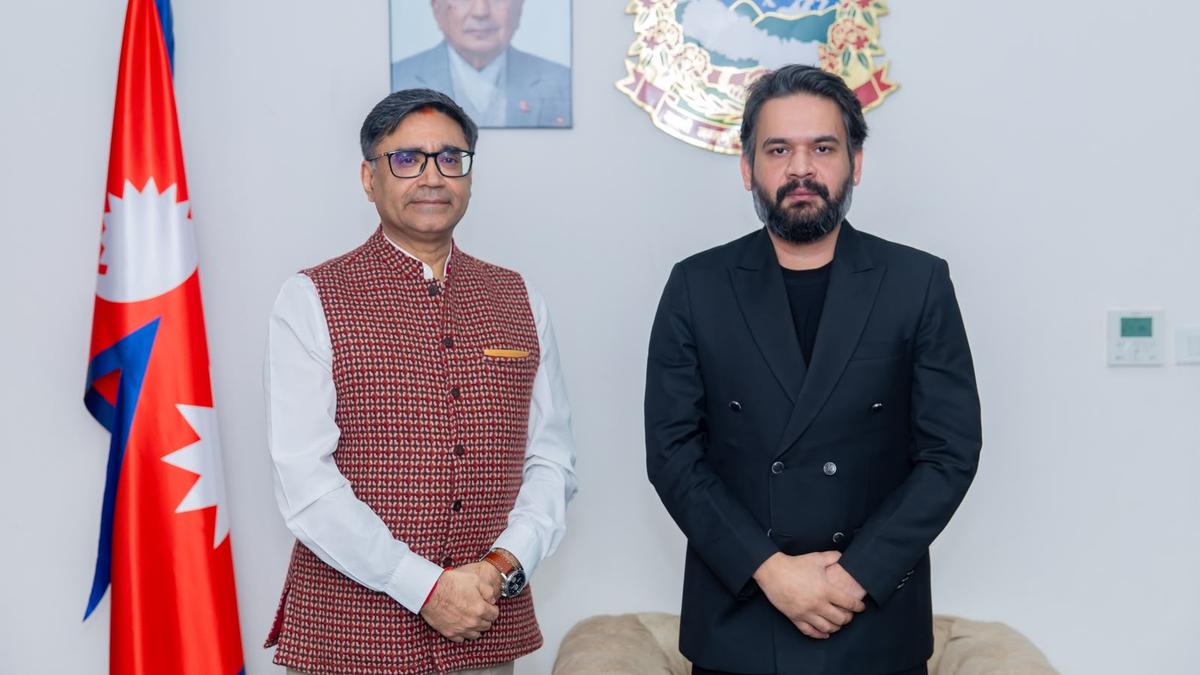
Photo from the source report: India–Nepal Engagement: Connectivity, Hydropower and Disaster Diplomacy#6
International RelationsGS 2

India–Nepal Engagement: Connectivity, Hydropower and Disaster Diplomacy

India and Nepal have intensified diplomatic engagement ahead of Prime Minister Balendra Shah’s reported visit to India from November 22 to 24, 2026. Foreign Secretary Vikram Misri’s Kathmandu meetings focused on potential outcomes in connectivity, hydropower, trade and other areas, while Nepal acknowledged India’s flood assistance. The visit offers an opportunity to strengthen Neighbourhood First through practical cooperation while managing the unresolved boundary dispute.

Free UPSC daily current affairs quiz — 10 questions, new every day at 8 am IST.

Call nowWhatsApp